
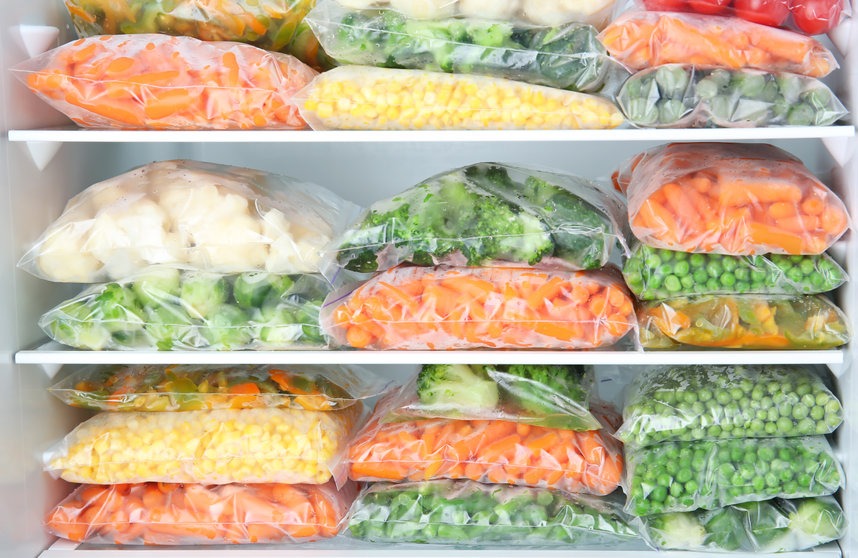
Commercial kitchens operate differently from home cooking in ways most people don’t realize. Restaurants serve hundreds of meals daily and will need to maintain consistent quality. For them to achieve this, they need to follow shortcuts that home cooks will never consider using. They make use of pre-prepared ingredients. In fact, it has become standard in professional kitchens for very good reasons.
The Reality of Commercial Kitchen Operations
It is not always easy to run a busy kitchen. Usually, it will require that you balance speed, quality, and cost every single day. That’s if your dinner needs to arrive on time and you want it to taste still amazing and look beautiful. Chefs can’t spend thirty minutes preparing each individual plate, especially during dinner rush. Another thing that most people don’t know is the cost of labor involved. If labor costs keep rising, the menu prices will also increase significantly. These pressures are what force kitchens to find more innovative ways to operate without sacrificing their quality.
Food Safety and Consistency
Commercial food production facilities need to maintain their standards. They are nothing like individual kitchens, and so they don’t just use any type of pre-prepared ingredients. They have to ensure that the ingredients come from environments with strict temperature controls and sanitation protocols. These ingredients go through large-scale production that allows testing and quality assurance that small kitchens can’t afford. Besides that, consistency is much needed, especially if they want the batches they serve to taste the same every time.
Frozen egg products are one type of pre-prepared ingredient that many restaurants use. Since restaurants need dozens of eggs for dishes, it wouldn’t pay them to start cracking eggs. Also, one thing you may need to understand is that even when you break eggs individually, it creates issues. Fresh eggs for one vary in size, and the quality from each batch will be different. Moreover, when people handle raw eggs, it increases contamination risks that health inspectors watch for. Pre-processed eggs also remove the problem of shell fragments, reduce salmonella concerns, and provide exact portions.
It is also easy to control the temperature with products designed for commercial use. Most frozen ingredients maintain quality during storage, and they are easier to transport. This is what makes them better than fresh alternatives. In addition, the Spoilage rates will reduce since the products are already processed and adequately packaged. Also, inventory management will be much simpler when products have longer shelf lives. However, the most important thing of all is how it reduces waste and still ensures quality stays high throughout service.
Labor and Time Efficiency Gains
The cost of maintaining kitchen staff represents the most significant expense for most restaurants in competitive markets. You will have to pay for your prep cook’s time, whether they’re chopping vegetables or doing skilled work. Pre-prepared ingredients let expensive labor focus on tasks that actually require human skill. Besides that, training becomes easier when staff don’t need to master every prep technique. This efficiency lets smaller teams handle larger volumes without compromising quality at all.
Morning prep time gets compressed when many ingredients arrive ready to use. Your kitchen can start actual cooking earlier instead of spending hours on basic preparations. This matters especially for restaurants serving brunch or lunch when morning hours are short. Moreover, less prep work means less chance of prep errors that waste expensive ingredients—the time savings compound across hundreds of service days each year.
Consistency in prep work improves when humans don’t have to repeat the same task. Most cooks are already as it is. So, they are very likely to make more mistakes. Pre-prepared ingredients allow them to maintain the same quality regardless of who’s working or for how long.
Why Professional Kitchens Choose Specific Pre-Prepared Items ?
Now you know the benefits of what pre-prepared ingredients can do for restaurants. Certain ingredients make more sense to purchase than others based on various factors. These choices will affect time, cost, skill, and ensure consistency. In fact, these are the reasons why even high-end restaurants use some prepared ingredients.
Items Requiring Specialized Equipment
Some ingredients need equipment to process. Restaurants would need expensive machinery to process their items if they were to go for the fresh ones. For instance, pasta will need space and tools that many kitchens simply don’t have available. Besides that, it is costly to maintain specialized equipment, and it usually costs more than just the initial purchase price.
Ingredients with Extreme Seasonality
Seasonal items are another reason cooks need to source pre-prepared ingredients. Cooks will always opt for these ingredients since they are always available. Tomato dishes can’t depend on local fresh tomatoes during the winter months. It would be much easier to get the quality frozen or processed versions. Besides, it will help to maintain consistency over mediocre fresh alternatives. Also, prices for seasonal items tend to fluctuate. They can affect menu prices, too. However, pre-prepared ingredients lock in costs, and this stability is what helps with menu planning. It allows customers still to get their favorite dishes at the same price. In addition, it will allow kitchens to offer favorite dishes year-round instead of constantly changing menus.
Labor-Intensive Prep Tasks
Some ingredients require so much manual work. So, it makes a lot of sense to buy the already prepared ones instead. There’s no time to waste, especially when you have many customers waiting in line. It would leave you with frustrated and unsatisfied customers. Even worse are the reviews they will leave behind, which can kill your business. Working with fresh ingredients all the time will affect your kitchen staff as well. They could spend hours breaking down specific proteins or vegetables. That labor time alone will cost more than when you purchase items already processed to specifications. Besides that, your consistency will suffer when different cooks prepare the same item.
Items Needing Consistent Portioning
Another thing no one considers is measurements. You can not get consistency without the right measurements. Already prepared products make this so easy for kitchens. They won’t need to spend a lot of time trying to do this themselves.
Portion control directly affects the cost of food. It also affects profits in tight-margin restaurant businesses. Your ingredients will need to be measured exactly the same way for every single serving. Pre-portioned items eliminate the guesswork and human error in measuring, especially during busy times. Besides that, it reduces waste when portions are pre-measured rather than when they are cut from bulk.
High-Waste Raw Ingredients
Some raw ingredients generate waste through trimming, peeling, or processing at facilities. Your kitchen pays for that waste when you purchase whole raw products. Pre-prepared versions, however, remove waste, and so you pay only for usable products. Besides that, waste disposal costs money and creates environmental impacts that you can avoid. The facilities that process these ingredients already have waste streams for other products, and so they don’t just discard everything. In other words, it is very efficient to use pre-prepared ingredients since they are more sustainable than individual kitchen processing.
Safety-Sensitive Products
Certain ingredients carry higher contamination risks, and that is why it is better for specialized facilities to handle them. For instance, raw poultry, seafood, and eggs will need careful handling to prevent foodborne illness. Processing facilities have protocols and testing that exceed what restaurant kitchens do. Besides that, pasteurization and other safety treatments require specific equipment and expertise as well.
Volume-Dependent Items
Some ingredients only make economic sense to prepare in-house at very high volumes. Your small or medium restaurant can’t achieve the efficiency that large operations need. Hence, the reason why pre-prepared options are better for small kitchens is that they are more convenient. It gives them access to the quality they couldn’t produce themselves. Besides that, volume requirements for certain items would force huge minimum orders. With already prepared ingredients, kitchens can order quantities they actually need rather than massive cases. It is this flexibility that reduces inventory costs and storage space requirements.
Quality Considerations and Trade-offs
Not all pre-prepared ingredients offer the same quality as the best in-house preparation. As such, your evaluation needs to consider what you gain versus what you might lose. You need to understand that some items will taste better when made from scratch with fresh ingredients. Besides that, customers will also have different expectations depending on the type of restaurant and price point. High-end establishments will need to prepare more items in-house to justify their premium pricing. However, even luxury kitchens use some prepared ingredients where they make sense.
The key lies in choosing which items to prepare and when to purchase the ones already done. To maintain your kitchen’s signature dishes, you will probably need some in-house preparation and to pay attention to detail. The components that customers overlook can often be pre-prepared, and they won’t even affect their perception.
As such, it is better to do taste testing with different suppliers to help you identify which prepared products meet your standards. Your due diligence ensures that shortcuts don’t compromise the dining experience. Some pre-prepared ingredients actually surpass what many kitchens could produce themselves.
Economic Realities of Modern Restaurants
The profit margin of restaurants may not even be as much compared to the menu prices. The average restaurant keeps only a few cents from each dollar after expenses like labor, rent, and ingredients. As these costs keep rising, it affects their profit. At the same time, their competition limits their pricing power too. Besides that, customers expect consistent quality and generous portions at reasonable prices. These conflicting pressures force kitchens to optimize operations wherever possible without any apparent compromise.
Pre-prepared ingredients help restaurants to stay profitable in challenging market conditions. Your favorite local spot might close without having this in place. The choice often isn’t between scratch and prepared but somewhat between prepared ingredients and closure.
The cost per portion often favors prepared ingredients when all factors are considered. Your in-house prep includes labor, waste, storage, and overhead beyond just raw ingredients. Prepared items have predictable costs that simplify budgeting and pricing decisions. Besides that, reduced waste and spoilage protect their profit margins when sales fluctuate. These economic benefits are what make prepared ingredients essential for survival in competitive markets.
Customer Perception and Transparency
Diners have mixed feelings about pre-prepared ingredients, depending on context and honesty. Most customers know that not everything comes from scratch at every restaurant. Moreover, most people already understand the impossibility of scratch cooking at scale and speed.
That is why it is good to be honest about your preparations, as it builds trust rather than pretending everything comes from scratch. Many diners understand and accept the realities of commercial kitchen operations these days. Transparency builds trust rather than destroying it. Your honesty about how your kitchen actually works will keep your customers informed. Hiding the reality creates problems when people learn the truth anyway. Besides that, explaining why confident choices get made helps customers appreciate the thought involved.
The farm-to-table movement has created some unrealistic expectations about commercial kitchen operations. If there is genuinely a from-scratch restaurant, it will face limitations that affect menu size, speed, and pricing. Complete scratch cooking works for tiny restaurants serving a few people at high prices. Besides that, scaling that model becomes impossible without some prepared components. Most successful restaurants find the right balance between scratch and prepared.
Conclusion
As you can see, there’s been a misconception about cooking food from scratch. It isn’t always possible to get the same results from fresh ingredients. When you consider the limitations of seasonal ingredients, you begin to see why pre-prepared ingredients are worth it.
The goal should be about maintaining consistency and improving the quality of your dishes. Today, it is easier to source high-quality processing. The freezing and packaging preserve the quality better than ever before. Besides that, most modern processing facilities make sure that their ingredients match the quality of fresh ingredients you find in the farmers market every day.